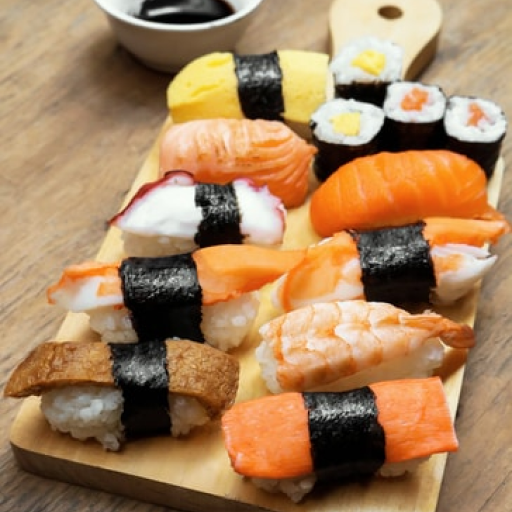
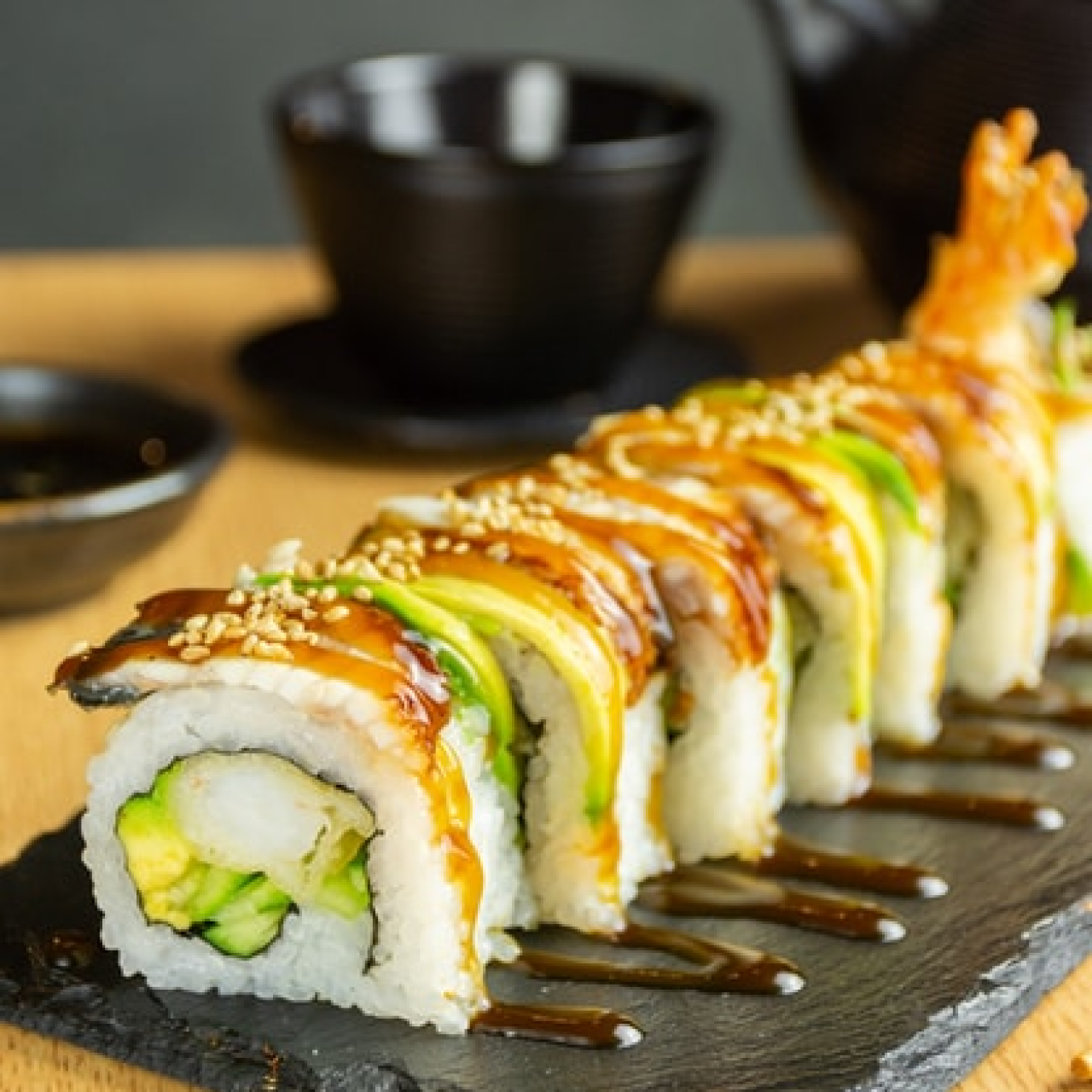
In Japanese, this type of animal is called "海老 (ebi)." Shrimp is considered an auspicious ingredient in Japan and is often served in wedding ceremonies or celebratory feasts. There are three reasons why shrimp is considered an auspicious ingredient:
First, shrimp is a symbol of longevity. Its long whiskers and bent posture resemble those of a long-lived elderly person. The Chinese character used to represent shrimp, "海老," combines the characters for "old" and "sea," symbolizing aging like the sea.
Second, shrimp symbolizes the happiness of a couple. The phrase "偕老同穴 (kairou douketsu)" is often used in wedding vows or officiant speeches, signifying a couple living together and being buried in the same grave until old age. The term "海綿 (kaimen)" in this phrase also means "sponge" in Japanese, and within this sponge, a pair of shrimp lives together for a lifetime, symbolizing the bond of marriage.
Third, the bulging eyes of shrimp are associated with the expression "目出た (medeta)," which signifies a smooth and happy ending. The pronunciation of "目出た" is similar to "めでたし (medetashi)" in Japanese, which means "joyous" or "fortunate."
Commonly used shrimp in Japanese cuisine include "甘エビ (amaebi)" (sweet shrimp), "牡丹海老 (botan ebi)" (botan shrimp), "車海老 (kuruma ebi)" (kuruma shrimp), "桜海老 (sakura ebi)" (sakura shrimp), "伊勢海老 (ise ebi)" (ise shrimp), and "バナメイ海老 (banamei ebi)" (banana shrimp).